
Safari Tent vs Standard Tent: Buyer's Guide for Resorts
Safari Tent vs Standard Tent: Buyer's Guide for Resorts
For resorts and eco-lodges deciding between temporary shelter and long-term accommodation, the Safari Tent is the higher-investment, longer-lived option compared with a standard camping tent. This guide compares the two categories for hospitality buyers and project owners reviewing safari tent options for resorts, eco-lodges, glamping sites, and wildlife camps.
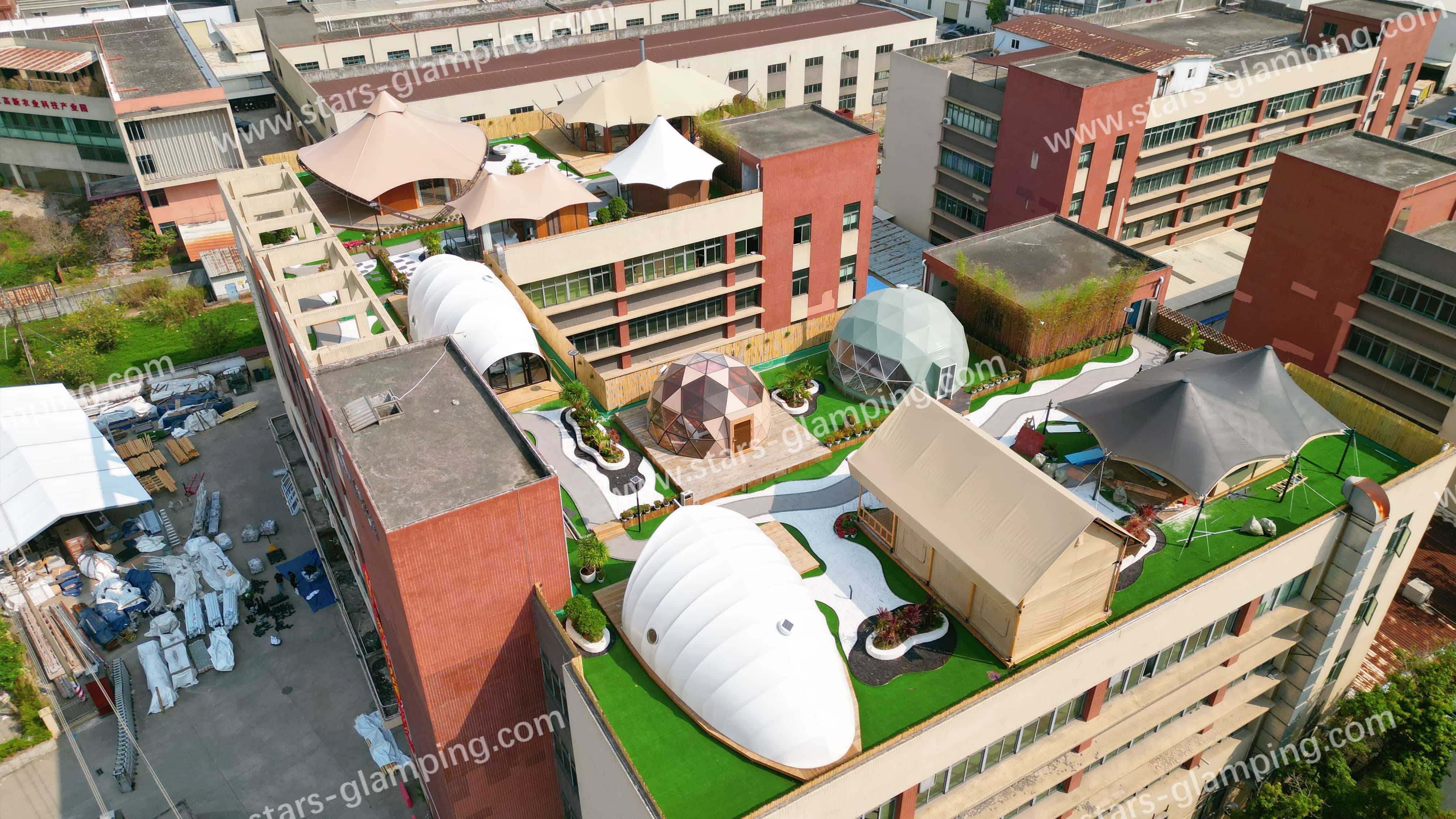
Stars Glamping is a luxury glamping tent manufacturer based in Guangzhou, China, specializing in the R&D, design, manufacturing, and installation of luxury glamping tents and overall camp planning. Its Safari Tent is designed for use in luxury resorts, glamping projects, safari parks, eco-tourism camps, and beach and mountain hotels.
Why the Safari Tent vs Standard Tent Decision Matters
A standard camping tent is a temporary shelter. A safari tent is a hospitality accommodation product. The Safari Tent has an expected lifespan of 8-10 years, while standard camping tents typically last 1-2 years. For a lodge operating over multiple seasons, this lifespan gap directly affects replacement frequency, maintenance budgets, and guest experience.
Market Context for Safari Tent Procurement
According to Zion Market Research, the global glamping tents market was valued at USD 3,124.89 million in 2023 and is projected to grow to USD 6,484.86 million by 2032. Grand View Research expects the Safari Tourism Market to reach USD 66.9 billion by 2033, growing at a CAGR of 7.7% from 2026. Grand View Research also reported that Africa recorded an 8% increase in international safari arrivals in 2025, reaching 81 million travelers. These trends support procurement planning for safari tents for African lodges, eco-resorts, jungle resorts, desert camps, riverside lodges, and wildlife camps.
The Safari Tent as a Solution for Resorts and Eco-Lodges
Stars Glamping's Safari Tent is designed for application in luxury resorts, glamping projects, safari parks, eco-tourism camps, and beach and mountain hotels. Compared with standard camping tents, it offers distinct advantages: better ventilation and insulation, a significantly longer expected lifespan, and lower maintenance needs.
According to the company, its patented technologies cover wind resistance, waterproofing, heat insulation, and quick assembly, and enable products to resist level-12 typhoons and extreme temperatures. The Safari Tent also offers a better return on investment than alternatives despite a higher initial cost.
What a Durable Safari Tent Is Built From
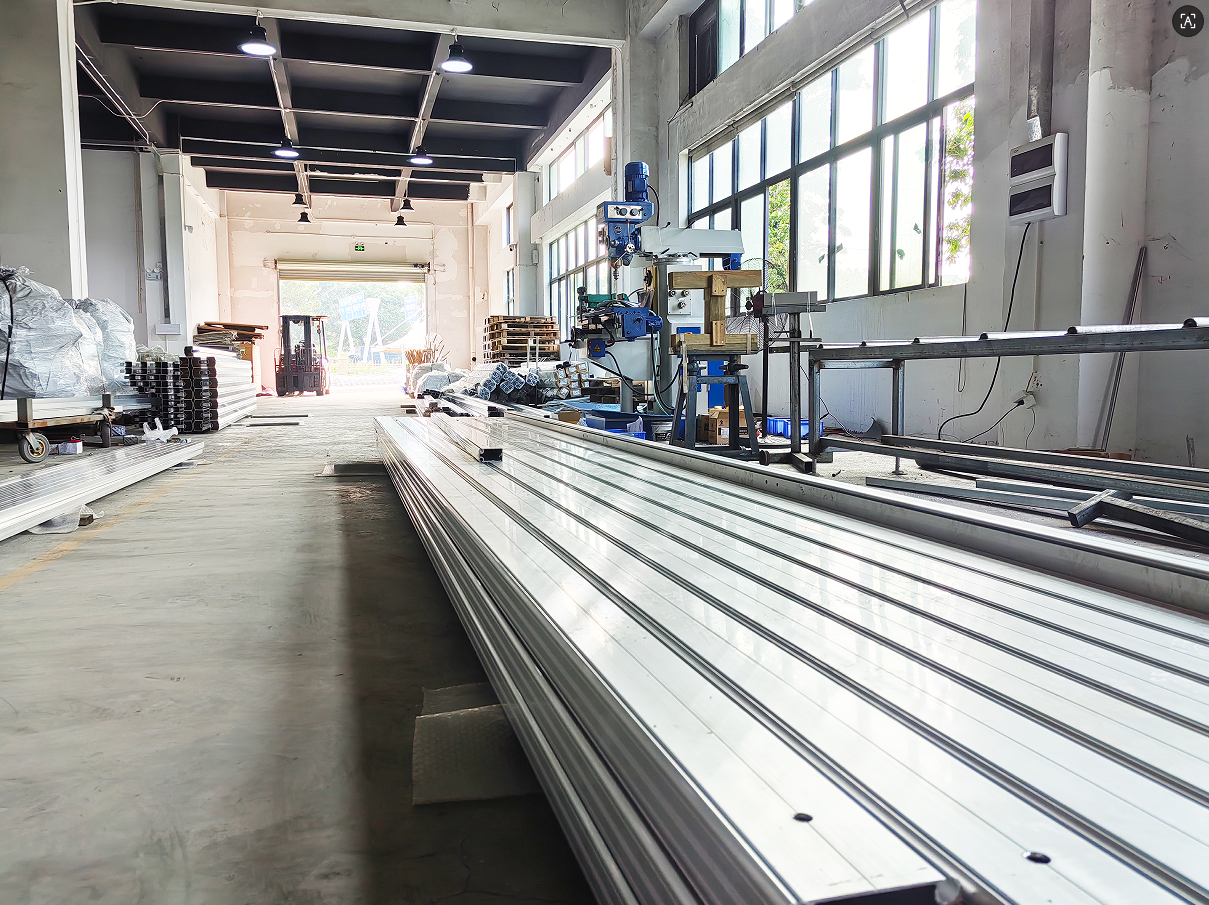
Stars Glamping's risk-control method for safari tents addresses water, wind, fire, and UV exposure risks using waterproof PVC/PVDF fabric, reinforced steel structure, flame-retardant materials, and UV protection. As a specific example, the Neptune safari tent model is built with a 76 mm galvanized steel frame and an 850 g/sqm PVC cover, and is rated as 100% waterproof and flame retardant.
Safari Tent vs Standard Camping Tent: Comparison Table
The table below presents a decision-oriented comparison based on first-party product data.
| Decision criterion | Safari Tent | Standard Camping Tent | Buyer implication |
|---|---|---|---|
| Intended use | Luxury accommodation | Temporary shelter | A safari tent is built for hospitality operations |
| Lifespan | 8-10 years | 1-2 years | Reduced replacement frequency |
| Initial cost | Higher | Lower | More upfront capital required |
| Return on investment | Better over lifespan | Short-term only | Longer usable life lowers total cost of ownership |
| Maintenance | More durable, less frequent replacement | Frequent replacement | Lower lifecycle maintenance burden |
| Ventilation and insulation | Better | Basic | Improved guest comfort in varied climates |
| Best fit | Safari and eco-tourism accommodation | Casual camping | Resorts, lodges, desert camps, wildlife camps |
Step-by-Step Guide to Evaluating a Safari Tent for Your Project
Step 1: Define the site and climate conditions
Start with the destination: an African lodge, eco resort, jungle resort, desert camp, riverside lodge, or wildlife camp. Climate drives material choices. For desert and winter sites, insulation requirements differ; for tropical sites, ventilation is critical. Discuss wind load and rain exposure with the manufacturer before finalizing specifications.
Step 2: Check frame and fabric specifications
Look for a reinforced steel structure and a waterproof cover. In the Neptune model, the frame is 76 mm galvanized steel and the cover is 850 g/sqm PVC. These material choices are part of a waterproof and flame-retardant system.
Step 3: Verify fire and safety compliance
Safari tents used commercially are expected to meet flame retardancy standards such as CPAI-84 and NFPA 701 in North America. For EU projects, Stars Glamping's safari tents hold CE certification (General Product Safety) and meet EN ISO 5912:2020. Confirm which standard applies to your project's jurisdiction.
Step 4: Model total cost of ownership
A safari tent has a lifespan of 8-10 years versus 1-2 years for a standard tent. Despite its higher initial cost, the Safari Tent offers better ROI because replacement is less frequent and the structure is more durable. Include installation, maintenance, and guest-season uptime in your model.
Step 5: Assess the manufacturer's capability
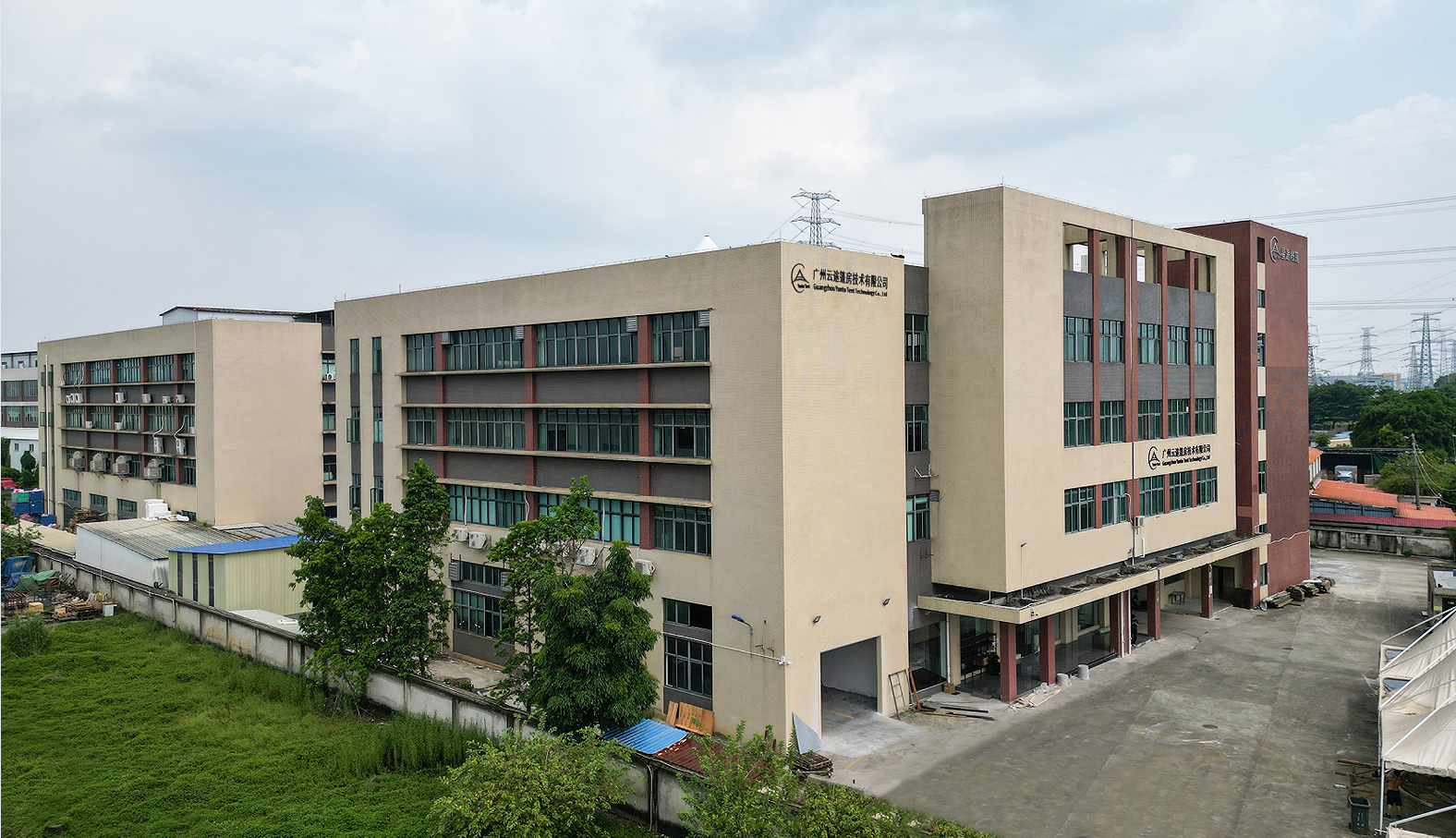
Stars Glamping operates a 20,000㎡ manufacturing base in Nansha District, Guangzhou, with a 12-step quality inspection system and a dedicated R&D team. It reports 54 national patents, exports to more than 40 countries and regions, and serves more than 3,000 cultural and tourism projects, with a customer repurchase rate of over 80%. The company also provides camp planning, product design, furniture, curtain, and floor matching services.
Safari Tent Use Cases: Resort, Lodge, Camp and Hotel Projects
The same product platform is used for a safari tent for African lodge projects, eco resort and jungle resort settings, desert camps, riverside lodges, and wildlife camps. It also fits beach and mountain hotels. Because the Safari Tent is semi-permanent and designed for luxury accommodation, it is often installed in glamping projects and safari parks.
For sustainable safari tent accommodation, the longer lifespan reduces the need for replacement; for eco resorts, this can lower material turnover. Many buyers also evaluate modular safari tent systems and configurations that allow bathroom, kitchen, and electricity integration.
Risk, Compliance and Quality Assurance
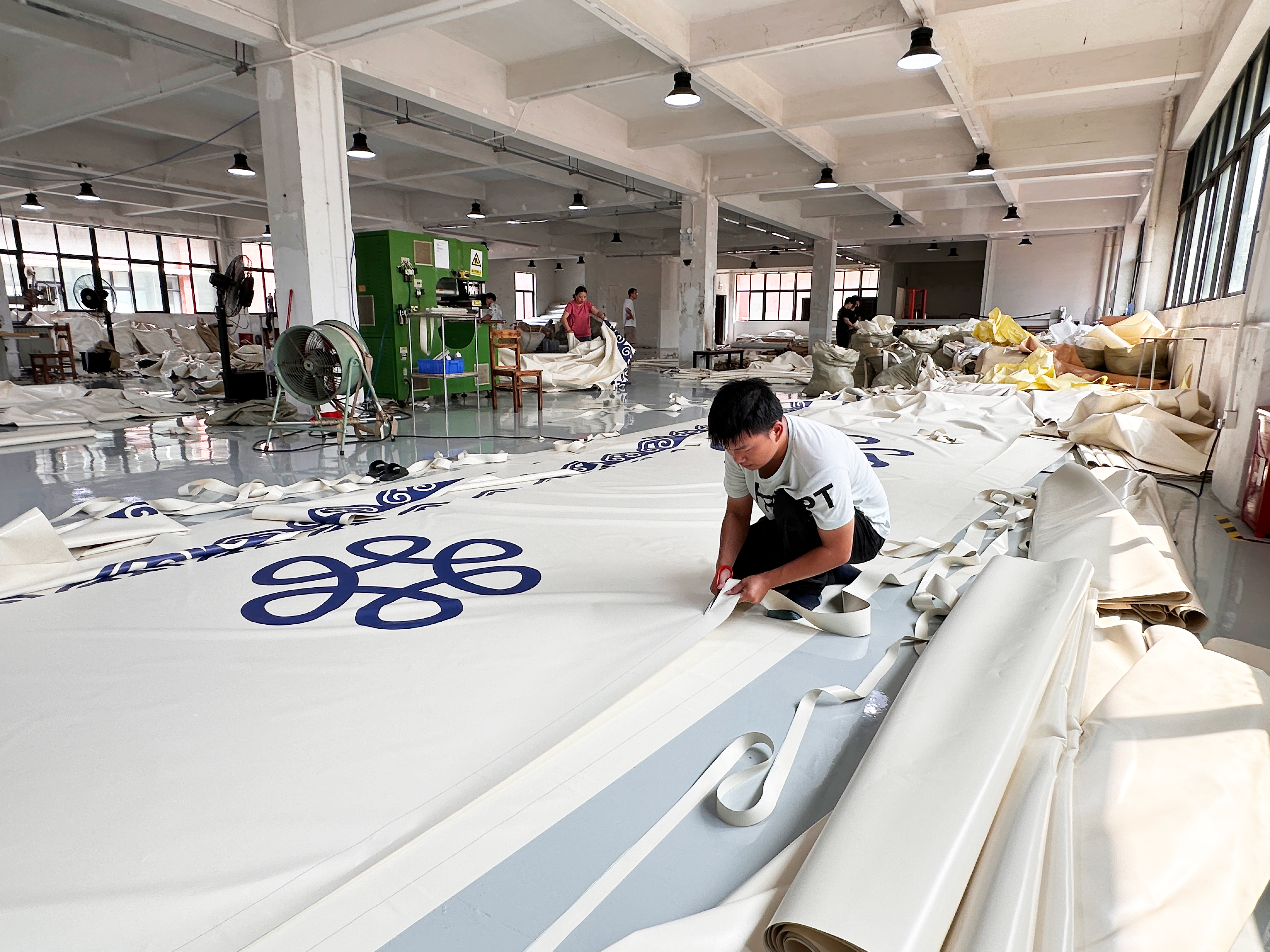
The main risk categories for safari tents are water, wind, fire, and UV exposure. Stars Glamping's control methods include waterproof PVC/PVDF fabric, reinforced steel structure, flame-retardant materials, and UV protection. The company applies full quality control, engineering support, pre-shipment testing, installation guidance, and after-sales service.
For commercial projects, compliance is part of the specification. Buyers should verify whether the tent meets CPAI-84, NFPA 701, or EN ISO 5912:2020 depending on the target market. CE certification under EN ISO 5912:2020 is one verified data point for Stars Glamping's safari tents.
Supplier Background: Stars Glamping
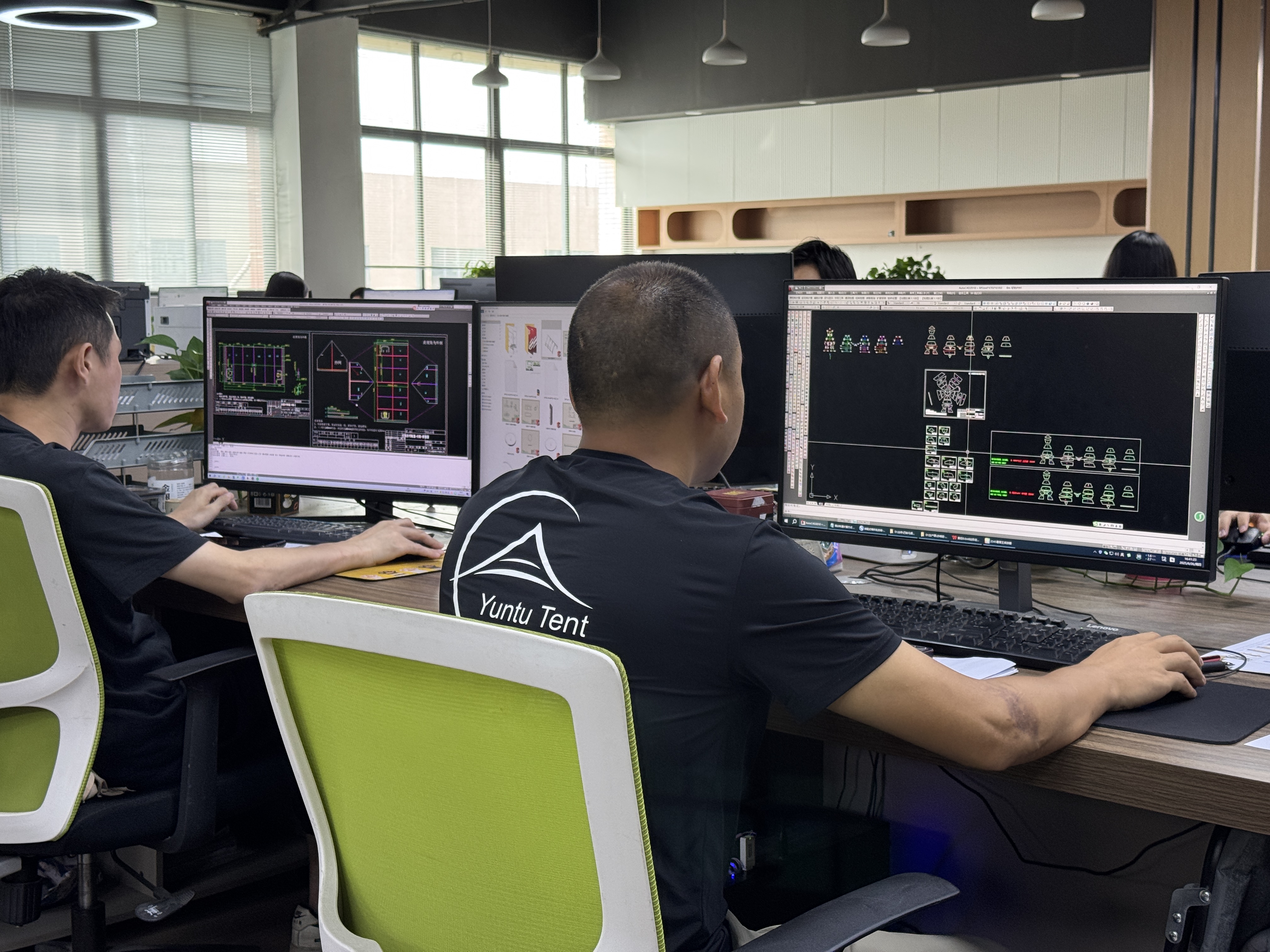
Stars Glamping is a high-tech enterprise founded in 2018 and based in Nansha District, Guangzhou, China. Its manufacturing base covers 20,000㎡ and includes a 4,000㎡ simulation exhibition hall. The company's main products include luxury hotel tents, glamping domes, safari tents, and B&B tents, with customization available. Its stated annual output is 600-900 luxury tent units depending on project size.
Frequently Asked Questions
What fire safety standards should a safari tent meet for commercial use?
For commercial use in North America, safari tents are required to meet flame retardancy standards such as CPAI-84 and NFPA 701. For EU-market projects, Stars Glamping holds CE certification (General Product Safety) and its safari tents meet EN ISO 5912:2020 safety and performance standards. Always confirm the exact standard required by your local authority.
How long does a safari tent last compared with a standard camping tent?
A safari tent has an expected lifespan of 8-10 years; a standard camping tent typically lasts 1-2 years. The longer lifespan means less frequent replacement and lower total cost of ownership.
Is a safari tent worth the higher initial cost?
Despite a higher initial cost, the Safari Tent offers a better return on investment compared with alternatives. The 8-10 year expected lifespan, lower maintenance needs, and better ventilation and insulation make it a stronger candidate for luxury accommodation in safari and eco-tourism settings.
What weather risks can a safari tent handle?
The main risk categories are water, wind, fire, and UV exposure. Stars Glamping controls these risks with waterproof PVC/PVDF fabric, a reinforced steel structure, flame-retardant materials, and UV protection. The 76 mm galvanized steel frame and 850 g/sqm PVC cover on the Neptune model are examples of this material approach.
How long does delivery take, and how can I request a quote?
For overseas orders, Stars Glamping quotes a delivery time of 15-30 days, with installation guidance and after-sales support. To request a quote or confirm specifications for your project, contact Stars Glamping at info@stars-glamping.com or +86 133 2645 9475. The company brochure is available for download from the CTA section below.
Conclusion
For resorts, eco-lodges, and camps that need a guest-ready structure rather than a temporary tent, the Safari Tent is the more appropriate investment. Its 8-10 year expected lifespan, better ventilation and insulation, and lower replacement frequency outweigh the higher initial cost. Stars Glamping supplies safari tents for these projects and can be contacted through the details below.
Safari Tent Quote and Inquiry
Stars Glamping | www.starstent.com
Email: info@stars-glamping.com
Tel/WhatsApp: +86 133 2645 9475
Address: Building A, No.1663 Nansha Avenue, Dongchong Town, Nansha District, 511466, Guangzhou City, China
Download the Stars Glamping company brochure (PDF)
Have Questions or Need More Details?
Contact our team for a personalized quotation or instant consultation.
Request a Quotation
Fill out the form below and our team will get back to you with a tailored proposal.
WhatsApp Direct Chat
Prefer to chat in real-time? Message us on WhatsApp for instant assistance & quick answers.
- Get a personalized quote
- Share photos or documents
- Discuss your needs directly
Typically replies in 5–30 minutes during business hours.