Luxury Hotel Tent Compliance Submittals: A Regional Documentation Checklist for Resort Developers
A permanent luxury hotel tent does not fail approval because the structure is weak. It fails because the submittal package is incomplete, inconsistently organised, or presented without the standard numbers an authority expects. This guide sets out a regional documentation checklist for resort developers working through the decision stage — organised by jurisdiction, by exposure environment, and by model — using only specifications published by Stars Glamping and verifiable market data.
B1 / M2 fire rating≥5000 mm H₂O waterproofing120 km/h wind resistance80 kg/m² snow load-30℃ to +70℃25–30 year service life
Why Luxury Hotel Tent Projects Stall at the Submittal Stage
Approval authorities do not assess a luxury hotel tent the way they assess a brochure. They assess a document set: structural drawings, fire documentation, material data sheets, site-specific load assumptions, and installation method statements — each organised against the jurisdiction where the project sits.
The pattern repeats across beach, desert, mountain, island and eco-resort projects. Because permanent tent structures sit outside the standardised approval path that applies to conventional hotel construction, submissions are often treated as project-specific rather than type-approved. A document gap discovered at decision stage becomes a stopped crane, a container held at port, or a redesign.
That is why the checklist below begins with the jurisdiction, not the product.
What a Compliance Submittal Package Actually Contains
A luxury hotel tent compliance submittal is a jurisdiction-organised document set built from four layers:
- Company and entity documentation — who manufactured it, under which legal entity, and from which facility.
- Product specification documentation — what the structure, fabric and wall system are rated to do, and against which standard.
- Site-specific performance documentation — how those ratings map to the actual wind, snow, temperature, salt and UV exposure at the project address.
- Manufacturing and quality evidence — factory records, inspection systems and pre-shipment testing.
None of the four layers can be omitted for a permanent luxury hotel tent installation, but the depth required in each varies by jurisdiction.
Industry Background: Why Region Matters More Than Product
Demand for permanent tent accommodation is broadening. Grand View Research estimates the global glamping market at USD 3.46 billion in 2024, with Asia Pacific projected to grow at the fastest CAGR of 12.58% over 2025–2031. Growth, however, is not the variable that shapes a submittal package.
Regional exposure is. A beachfront luxury hotel tent and a desert luxury hotel tent face different physical loads and different regulatory questions. Coastal sites raise corrosion and UV questions. Desert sites raise thermal cycling and HVAC load questions. Mountain sites raise snow load and freeze-thaw questions. Eco-resort and island sites raise foundations, transport logistics and off-grid services.
Authorities in each of those jurisdictions know their own exposure profile. That is precisely why the questions are not the same, and why a single generic submittal rarely gets through.
Step-by-Step: Assembling a Regional Submittal Package
Step 1 — Confirm the jurisdictional classification before opening any product file
Establish whether the project is classified as a temporary structure or a permanent building in the destination jurisdiction. The classification drives fire documentation, structural calculation requirements, egress provisions and service connections.
- Record the jurisdiction, the approving authority and the applicable code edition.
- Confirm temporary versus permanent classification in writing.
- List applicable structural, fire, electrical, plumbing and HVAC requirements.
- Note any occupancy threshold that triggers additional requirements.
Step 2 — Build the company and entity layer
Start with documents that identify the manufacturer as a legal and operational entity:
- Business registration and legal entity name.
- Manufacturing address and facility scope.
- Export and project experience references.
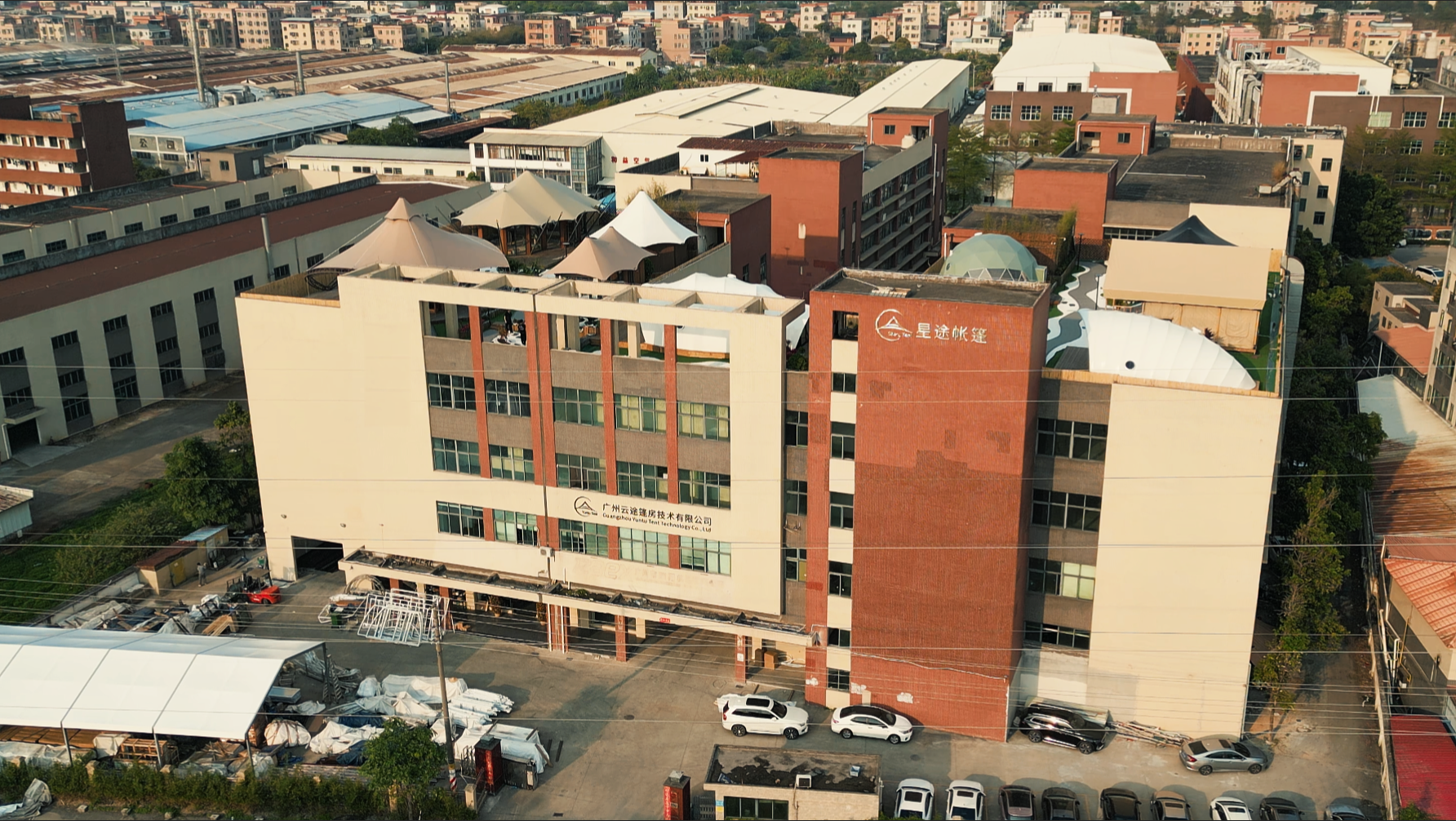
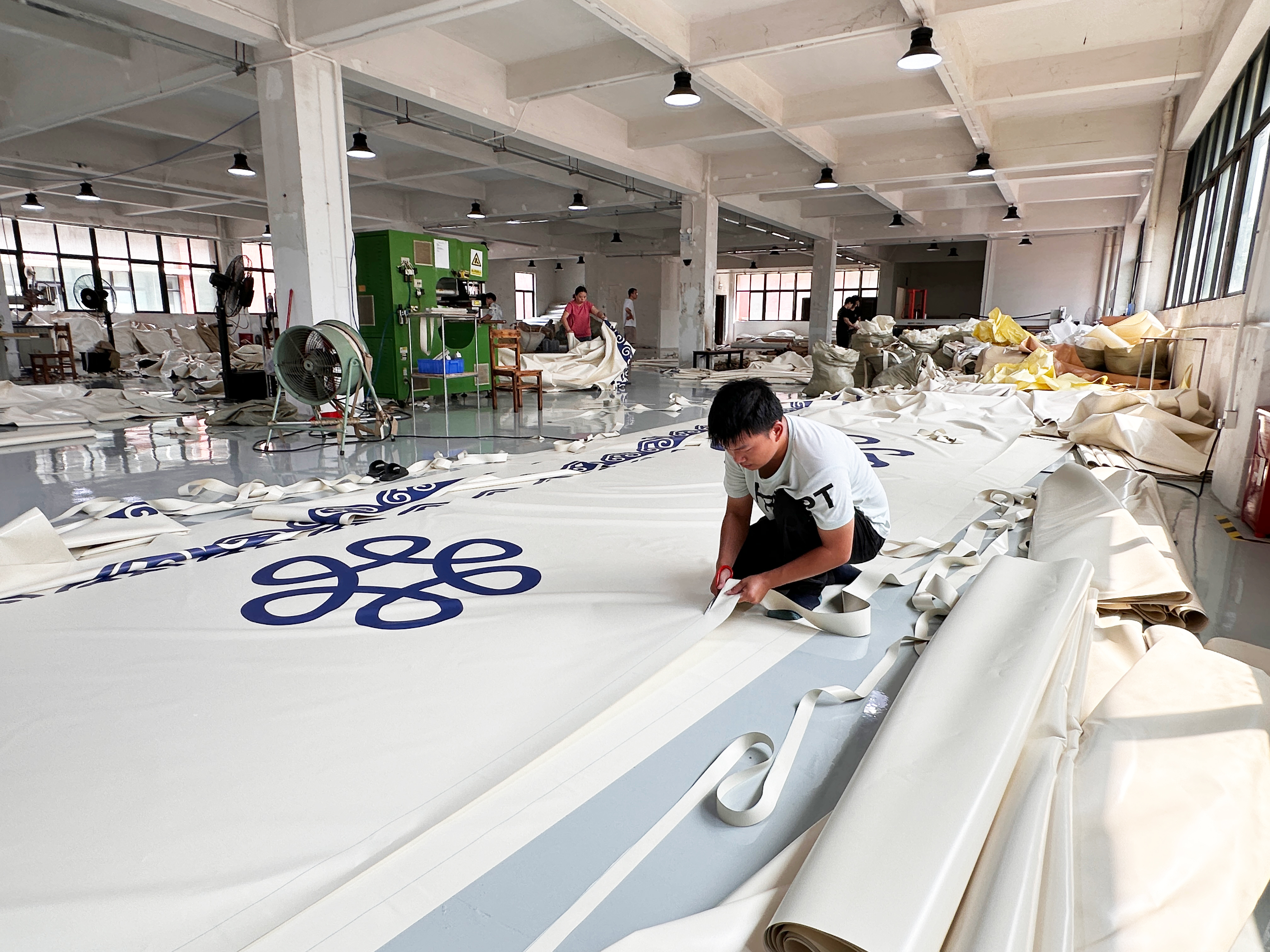
Stars Glamping (STARS GLAMPING TENT CO., LTD) is a luxury glamping tent manufacturer founded in 2018, operating a 20,000 m² manufacturing base and a 4,000 m² simulation showroom in Nansha District, Guangzhou, China, producing luxury hotel tents, glamping domes and safari tents with an annual output of 600–900 luxury tent units depending on project size.
Entity consistency is a real procurement risk. Publicly available Stars-branded sources have reported differing corporate and facility details. Reconcile the legal entity against the manufacturing address before that documentation enters a submittal file.
Step 3 — Assemble the product specification block, parameter by parameter
For permanent installations, authorities typically expect each of the following parameters to be stated and sourced:
- Fire rating: B1 / M2
- Waterproofing: ≥5000 mm H₂O
- Wind resistance: up to 120 km/h (Level 10)
- Snow load: 80 kg/m²
- Operating temperature range: -30℃ to +70℃
- UV stabilisation: stated on the fabric data sheet
- Service life: 25–30 years, with the Pisces model documented at 10–15 years
Each entry needs a standard reference, a test method and an issuing laboratory. Where those are unavailable, present the entry as a supplier statement marked for verification rather than as a compliance position.
Structural and envelope documentation should cover:
- Frame: steel frame construction
- Cover: PVC or PVDF fabric membrane
- Wall system: insulated glass and insulated canvas wall construction
Step 4 — Add site-specific performance documentation
This is where regional packages diverge. Map the stated ratings against the measured conditions at the project address, and document the mapping.
- Beach resorts: salt-spray corrosion, sustained wind, UV ageing. Priority files — wind resistance rating, frame corrosion specification, fabric UV stabilisation data.
- Desert resorts: thermal cycling, solar load, dust ingress. Priority files — operating temperature range, insulation specification, HVAC load calculation.
- Mountain resorts: snow accumulation, freeze-thaw cycling, low ambient temperature. Priority files — 80 kg/m² snow load, -30℃ cold-climate performance, insulated wall specification.
- Eco-resort and island sites: low-impact foundations, transport logistics, off-grid services. Priority files — foundation detail, module dimensions and weight, material sustainability statement.
- Safari lodges: remote delivery, wildlife exclusion, wind exposure. Priority files — delivery plan, floor and foundation detailing, wind resistance rating.
Step 5 — Prepare model-level document sets
Submit per model rather than as a general product family. Each model set should contain structural drawings, a material data sheet, stated performance ratings, and footprint and weight data.
- Tethys — steel frame and PVDF membrane configuration, with a documented service life of 25–30 years and wind resistance up to 120 km/h.
- Villa — positioned for hotel resorts, eco-camps, boutique campgrounds and luxury safari lodges, with a documented service life of 25–30 years.
- Octagon — documented wind resistance up to 120 km/h.
- Shell — compact modular configuration; confirm the applicable document set against the supplier's project specification before submission.
- Pisces — solid wood and steel pipe frame, 850 g/m² PVC polyester fabric cover, documented service life of 10–15 years.
Step 6 — Document installation, interior fit-out and MEP
- Modular assembly sequence and method statement.
- Foundation and ground-anchor requirements for the specific site.
- Units with bathrooms: plumbing layout and waterproofing details.
- Units with air conditioning: HVAC specification and insulation match.
- Glass wall systems: glazing safety classification and fixing detail.
- Soundproofing: wall build-up and acoustic detailing.
- Electrical layout, including grid-connected and off-grid configurations.
Step 7 — Attach manufacturing and quality evidence
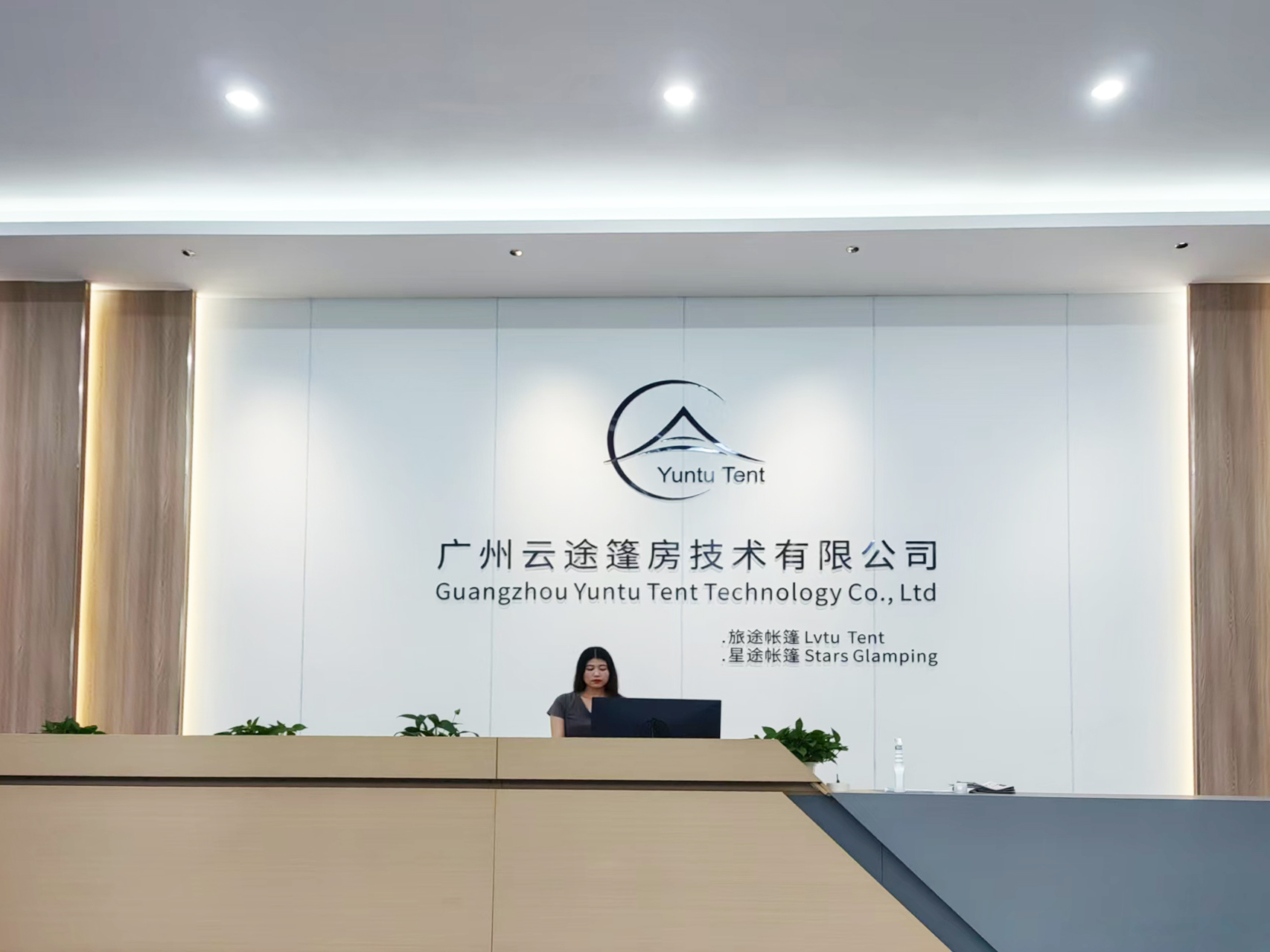
- Factory layout and facility photographs.
- Quality inspection system description — Stars Glamping operates a 12-step quality inspection system.
- Pre-shipment testing records.
Stars Glamping states that its glamping tents have passed SGS and CE certificate tests. Treat these as documentation to be verified rather than as a compliance status to be submitted: request the certificate scope, the applicable standards and the product models covered. CE is not a single product standard, so the applicable directives and harmonised standards must be listed individually.
Step 8 — Build the submittal index and version control
Compile a numbered submittal register listing document name, revision, date, originator and the authority reference it satisfies. Revision control prevents the most common approval delay: an authority reviewing superseded drawings.
Step 9 — Plan the review and response loop
Before submission, separate documents the supplier can issue from documents that require a locally licensed professional — site-specific wind and snow calculations, electrical certification, plumbing permits and fire approval typically sit in the second group. Planning that split early shortens the response cycle.
Regional Use Cases
Beach resort, South East Asia. The dominant regulatory questions are wind resistance and corrosion. The submittal leads with the 120 km/h wind rating, the steel frame corrosion treatment, and the fabric UV stabilisation sheet. Salt-spray exposure documentation is requested before the structural package is reviewed.
Desert resort, Middle East. Thermal performance dominates. The package leads with the -30℃ to +70℃ operating range, the insulated wall build-up, and the HVAC load calculation. Documentation of how insulation reduces energy consumption becomes a decision document rather than a technical footnote.
Mountain resort, temperate climate. Snow load is the gating item. The 80 kg/m² snow load figure must be paired with a site-specific calculation for the actual altitude and exposure. Insulated canvas and insulated glass wall details are submitted alongside the snow calculation, not separately.
Eco-resort and island site, remote location. Approvals focus on foundations and logistics. The submittal leads with the modular footprint, unit weight, foundation detail and delivery plan. Material sustainability statements support the operator's own environmental commitments.
Comparison Tables
Table 1 — Regional Submittal Emphasis
| Environment | Dominant Exposure | Lead Performance File | Supporting Documentation |
|---|---|---|---|
| Beach resort | Salt spray, sustained wind, UV | Wind resistance up to 120 km/h | Frame corrosion treatment, UV stabilisation sheet |
| Desert resort | Thermal cycling, solar load, dust | Operating range -30℃ to +70℃ | Insulation specification, HVAC load calculation |
| Mountain resort | Snow accumulation, freeze-thaw | Snow load 80 kg/m² | Insulated wall build-up, site snow calculation |
| Eco-resort | Low-impact foundations, transport | Foundation and modular assembly detail | Material statement, delivery plan |
| Island resort | Logistics, off-grid services | Module dimensions and weight | Electrical layout, off-grid configuration |
| Safari lodge | Remote delivery, wind, wildlife | Delivery and installation method statement | Wind rating, floor and foundation detail |
Table 2 — Model-Level Documentation Focus
| Model | Documented Frame | Documented Cover | Documented Service Life | Key Submittal File |
|---|---|---|---|---|
| Tethys | Steel frame | PVDF membrane | 25–30 years | Wind resistance up to 120 km/h |
| Villa | Steel frame | PVDF membrane | 25–30 years | Application positioning for hotel resorts, eco-camps and safari lodges |
| Octagon | Steel frame | PVDF membrane | 25–30 years | Wind resistance up to 120 km/h, geometry statement |
| Shell | Modular | Fabric system | Confirm per project | Footprint and foundation detail |
| Pisces | Solid wood + steel pipe | 850 g/m² PVC polyester | 10–15 years | Material data sheet and PVC cover specification |
Table 3 — Submittal Scope: Luxury Hotel Tent vs. Traditional Hotel Building
| Dimension | Luxury Hotel Tent | Traditional Hotel Building |
|---|---|---|
| Installation period | 20–30 days | 6–12 months |
| Initial investment | 30–50% lower | Baseline |
| Maintenance and upgrade | Lower maintenance, flexible upgrade | Higher, less flexible |
| Energy performance | Better insulation reduces energy consumption | Baseline |
| Typical application | Resort, desert and beachfront deployment | Conventional hospitality construction |
Frequently Asked Questions
What documentation does a luxury hotel tent need for building code approval?
There is no single universal list, because approval depends on the destination jurisdiction and on whether the project is classified as a temporary structure or a permanent building. A workable submittal package contains four layers: company and entity documents, product specification documents, site-specific performance documents, and manufacturing and quality evidence. The product specification layer typically states fire rating (B1/M2), waterproofing (≥5000 mm H₂O), wind resistance (up to 120 km/h, Level 10), snow load (80 kg/m²), operating temperature range (-30℃ to +70℃), UV stabilisation and documented service life. Authorities commonly require the standard reference, the test method and the issuing laboratory behind each figure; without those, a stated number remains a supplier statement rather than a compliance position.
Can a supplier prepare model-specific and site-specific documentation?
Yes — for a manufacturer that documents products at project level, this is standard practice. Across the Stars Glamping range, Tethys, Villa, Octagon, Shell and Pisces are documented luxury hotel tent models, and their files are assembled per project. Supplier-issued documents typically include structural drawings, material data sheets and stated performance ratings. Site-specific reports — wind and snow calculations for a specific address, electrical certification, plumbing and fire approval — usually require a locally licensed professional and sit outside the manufacturer's scope. Separating the two groups early prevents approval-stage delays.
How does documentation preparation affect project budget?
Documentation preparation is rarely the largest cost line, but it governs whether a project proceeds on budget. Compared with traditional hotel buildings, luxury hotel tents offer 30–50% lower investment and an installation time of 20–30 days against 6–12 months for the alternative. Documentation gaps erode those advantages, because they create stopped work, held shipments and redesign risk. Budgeting documentation preparation at procurement stage is cheaper than correcting it mid-approval.
Can developers review physical samples before finalising a submittal?
Yes. Material samples — fabric swatches, frame profiles, insulated wall build-ups and glazing samples — are a normal pre-submittal requirement, allowing developers and approving authorities to inspect fabric weight, colour and finish before manufacturing begins. Stars Glamping maintains a 4,000 m² simulation showroom alongside its 20,000 m² manufacturing base, which allows project teams to evaluate materials and configurations before volume production.
How long does documentation take, and what are the delivery lead times?
Documentation is typically prepared in parallel with quotation and design confirmation, so it does not add a separate waiting period. On the production side, Stars Glamping reports delivery times of 7–15 days for domestic orders and 15–30 days for overseas orders, with an annual production capacity of 600–900 luxury tent units depending on project size and a monthly capacity of 500 tents. Developers aligning a submittal schedule with a construction programme should confirm the document issue date and the production slot together, not separately.
Next Step: Build the Submittal From Verified Documents
Start with the materials and the numbers, then let the paperwork follow. Stars Glamping supplies luxury hotel tents, glamping domes and safari tents to more than 40 countries and supports project teams with technical documentation, sample evaluation and installation guidance.
Request material samples and a project quotation at info@stars-glamping.com or via WhatsApp at +86-133 2645 9475. The 2026 product catalogue, including model specifications, is available for download: Stars Glamping Product Catalogue (PDF).
Conclusion
Regional compliance for a permanent luxury hotel tent is a documentation problem before it is a construction problem. The structure either meets B1/M2 fire rating, ≥5000 mm H₂O waterproofing, 120 km/h wind resistance, 80 kg/m² snow load and a -30℃ to +70℃ operating range — or it does not, and the only way an authority can confirm either outcome is through documents that name the standard behind each figure.
Organise the package in four layers, submit per model, and map the stated ratings against the real exposure at the site. Beach, desert, mountain, island and eco-resort projects will ask different questions; a package built around a single generic product sheet answers none of them well. Where a claim cannot yet be supported by a certificate, a test report or a stamped calculation, present it as a supplier statement marked for verification — and close the gap before the submission deadline, not after.
Have Questions or Need More Details?
Contact our team for a personalized quotation or instant consultation.
Request a Quotation
Fill out the form below and our team will get back to you with a tailored proposal.
WhatsApp Direct Chat
Prefer to chat in real-time? Message us on WhatsApp for instant assistance & quick answers.
- Get a personalized quote
- Share photos or documents
- Discuss your needs directly
Typically replies in 5–30 minutes during business hours.