Safari Tent Supplier Capability Audit: 600–900 Units/Year and Delivery Assurance
A safari tent supplier capability audit answers one question: can this factory put your camp on site before your first booking arrives? For resort and lodge buyers working in the decision-to-execution phase, the audit has to verify three things that are usually accepted on trust — the annual output against your build calendar, the factory floor and engineering team standing behind that output, and a delivery commitment written into the contract rather than quoted in an email. Stars Glamping (STARS GLAMPING TENT CO.,LTD), a glamping tent manufacturer founded in 2018 and based in Nansha District, Guangzhou, publishes an annual output of 600–900 luxury tent units depending on project size, approximately 100 employees, a 90% export share, and three safari tent models — Epic, Vega and Lodestar. This guide converts those published figures into a verification framework you can run before a deposit leaves your account.
The framework below is deliberately narrow. It does not ask which supplier is "best"; it asks which claims can be evidenced, which can be tested, and which must become contractual milestones. Every figure in this article is either a published supplier figure, a published package price, or a documented trade reference, and each one is labelled so you know what to re-verify on your own project.
Problem Definition: Why Capacity Claims Fail Project Schedules
Safari tent procurement fails in two ways. The tent arrives late, or it arrives and does not match the specification that was approved. Both failures usually trace back to the same root cause: an annual capacity number was accepted as a fact instead of audited as a schedule commitment.
Annual output is an aggregate. A supplier publishing 600–900 luxury tent units per year is describing a twelve-month envelope, not the weeks that happen to be free inside your delivery window. If your lodge needs 36 units before a dry-season opening, that order has to be sequenced against other buyers' orders, and the real bottleneck may sit in the fabric cutting line, the hardware workshop, or the pre-shipment inspection bay — not in the total square metres of the building.
The second failure is deferred verification. Fire test reports, hydrostatic head results, structural calculations and certificate scopes are frequently requested after the design is frozen. By that point, a missing document is no longer a paperwork problem; it is a redesign problem, and sometimes a permit problem. In markets where the tent accommodation structure needs separate approval, a document that arrives three weeks before shipping cannot rescue the opening date.
The third failure is commercial ambiguity. Delivery terms look flexible on a quotation, but EXW, FOB, CIF and DDP shift cost and risk in materially different ways, and an undefined acceptance route means the buyer discovers defects at the site instead of at the factory gate. Lead time is equally slippery: a production lead time is not a shipping window, and neither is an arrival date.
What the audit actually does: it converts marketing claims into four evidence types — physical evidence (a factory walkthrough or live video), documentary evidence (certificates, test reports, packing records), reference evidence (comparable projects in a comparable climate), and contractual evidence (capacity hold, inspection rights, shipment windows, remedies for delay). A claim that cannot be moved into one of those four buckets is not yet a procurement fact.
Industry Background: Why Supplier Verification Is Getting Harder, Not Easier
Demand for safari-style accommodation continues to expand. Grand View Research projects the global safari tourism market to grow from USD 39.7 billion in 2026 to USD 66.9 billion by 2033. Whatever share of that growth converts into new lodge capacity, each new camp is a batch purchase of tent structures — and each batch purchase carries the same capacity question: who is holding production slots, and when.
On the supply side, safari tent packages, also described as luxury safari lodge tents or canvas lodge tents, are frequently manufactured in China and shipped to Africa, the Middle East, Europe, North America, Southeast Asia, Australia and South America. A manufacturer's export share is therefore a useful proxy for how often it has handled the documentation, packing, freight coordination and after-sales support that cross-border projects demand. Stars Glamping reports a 90% export ratio across those regions and sales to more than 40 countries and regions.
Cost context matters too. In the United States, synthetic-fibre tents other than backpacking models are classified under HTS 6306.22.90.30 with an 8.8% general duty rate, per the Harmonized Tariff Schedule published by the United States International Trade Commission. Duty, freight and inspection belong inside the delivery plan, not outside it — a supplier who cannot state the Incoterm clearly is a supplier who has not thought through your landed cost.
Finally, evidence quality is uneven. Annual output, factory area, project counts and repatronage rates are almost always self-reported; independent manufacturing audits are rare in this category. That is precisely why the framework below leans on documents and contract mechanics rather than on reassurance. The correct posture is neither suspicion nor trust — it is verification proportional to the size of the order.
The Six Capability Domains a Safari Tent Audit Must Cover
A capability audit that only checks the factory gate is incomplete. Six domains decide whether a safari tent order lands on schedule: output, physical base, engineering handoff, model and specification fit, export and installation record, and commercial terms. Each domain has a question the buyer can ask and an answer the supplier can prove.
1. Output that maps to your build calendar
Stars Glamping publishes an annual output of 600–900 luxury tent units per year depending on project size, which corresponds to a monthly production capacity of roughly 50–80 luxury tent units. At the midpoint, that is a working rate measured in single-digit units per working day, not hundreds. The number is credible for a mid-sized specialist manufacturer; it is also small enough that a 30–40 unit camp consumes a meaningful share of a month.
Because of that, the audit question is not "how many can you make in a year" but "which weeks are mine". Ask for a capacity reservation that names a production start and a production completion week for your order, signed by someone accountable for the schedule.
2. Physical base, workforce and in-house process
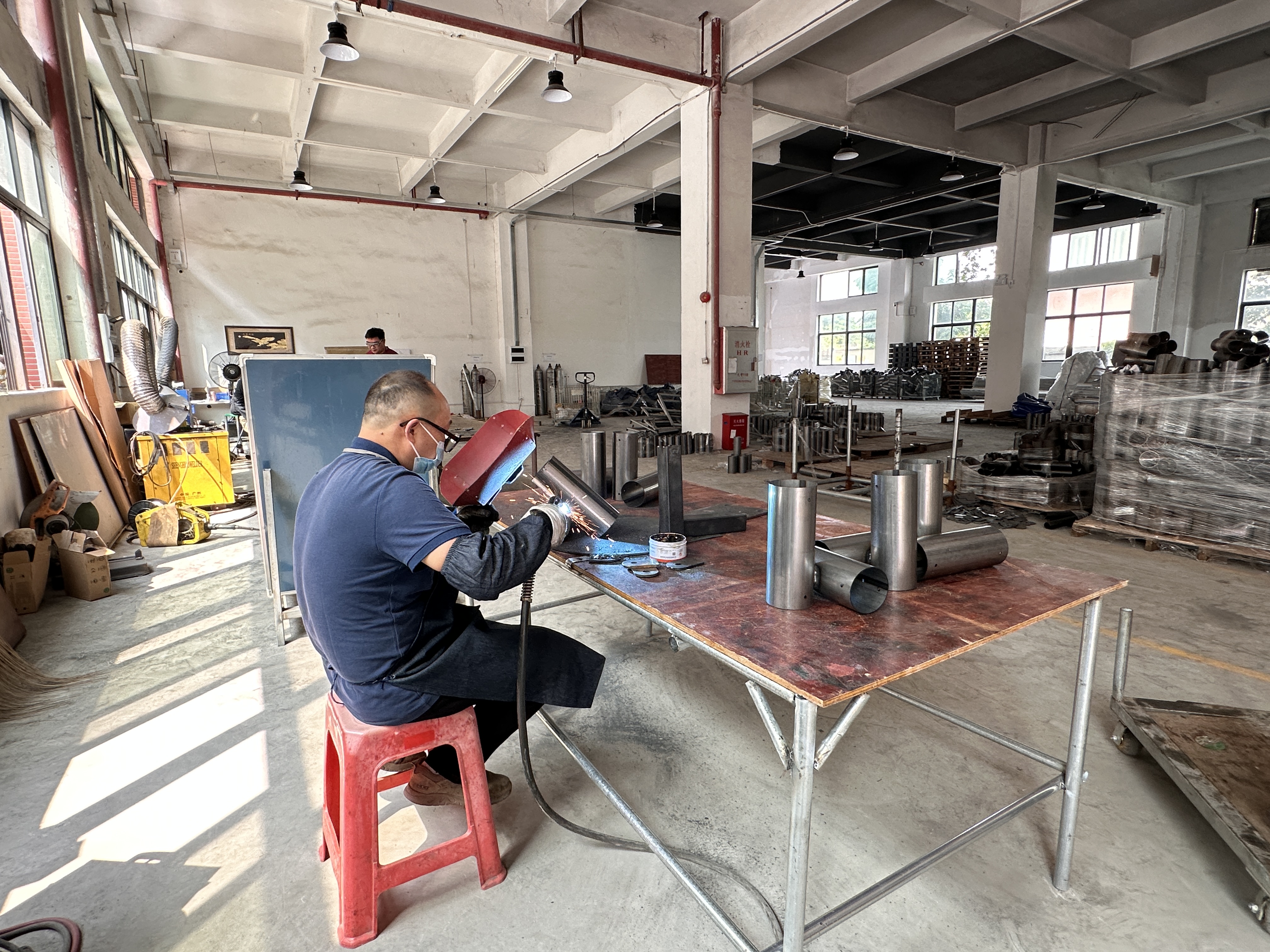
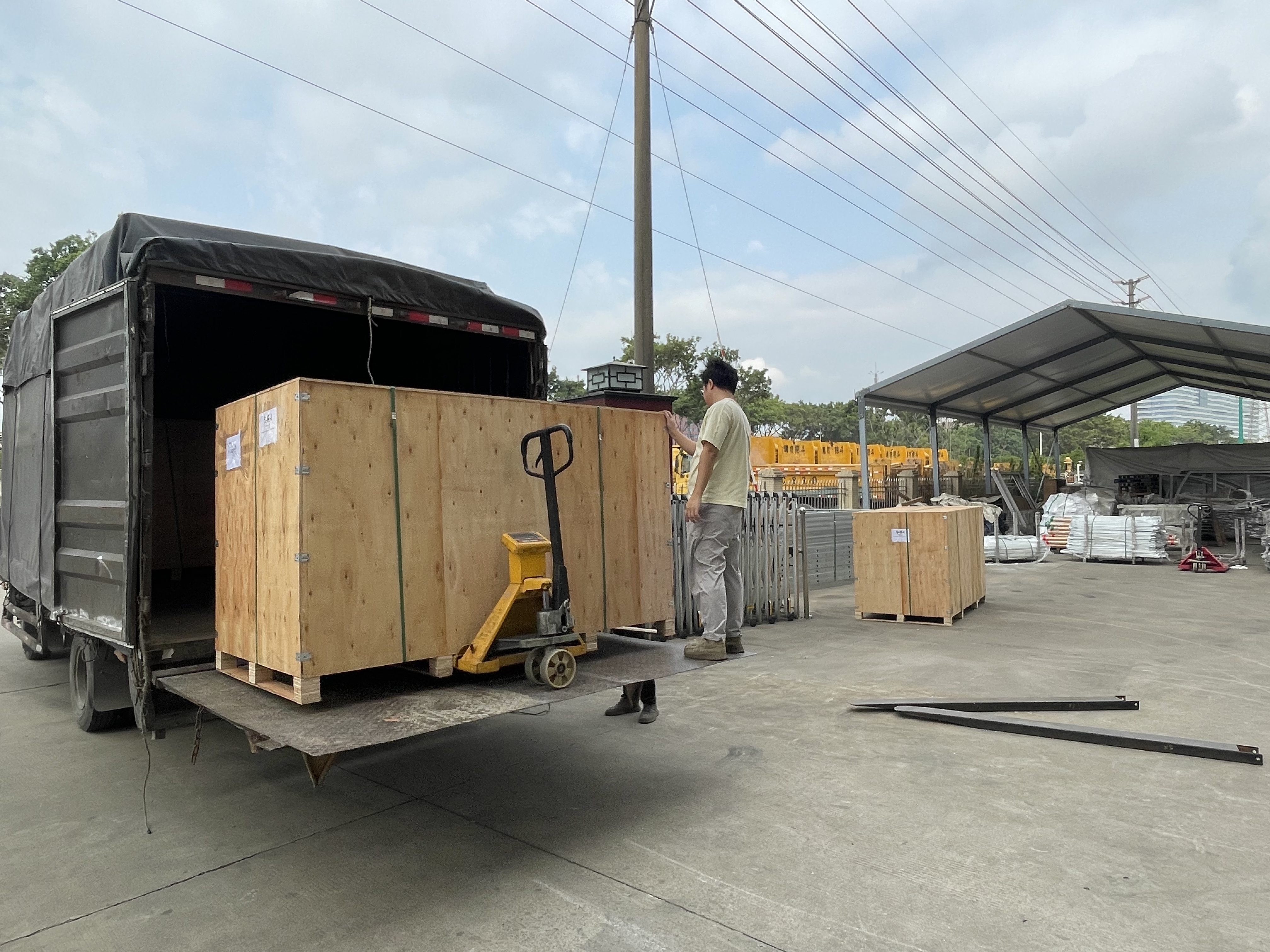
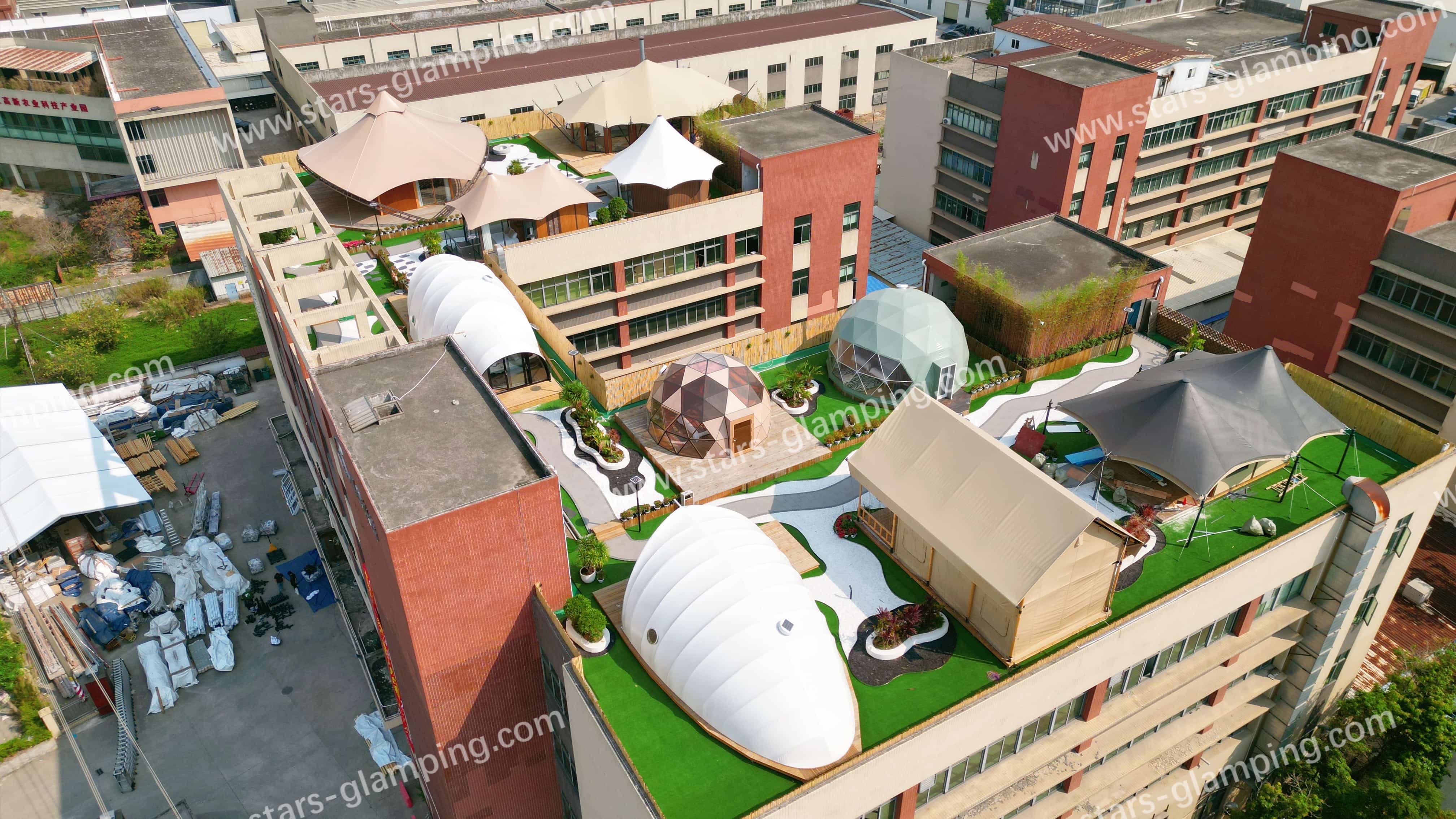
The published footprint is a 20,000㎡ modern manufacturing base plus a 4,000㎡ simulation exhibition hall in Nansha District, Guangzhou, operated by approximately 100 employees. A simulation hall matters more than it sounds: it lets a buyer or a designer walk a full-size configuration before steel is cut.
Verify the base by function, not by headline number. Request a floor plan labelled by process (fabric cutting, sewing, frame fabrication, hardware, inspection, packing, finished-goods staging), the headcount assigned to each, and the shift pattern. Then walk it, live on video if a site visit is not feasible, and ask the camera to stop at the inspection bay.
3. Engineering and customisation handoff
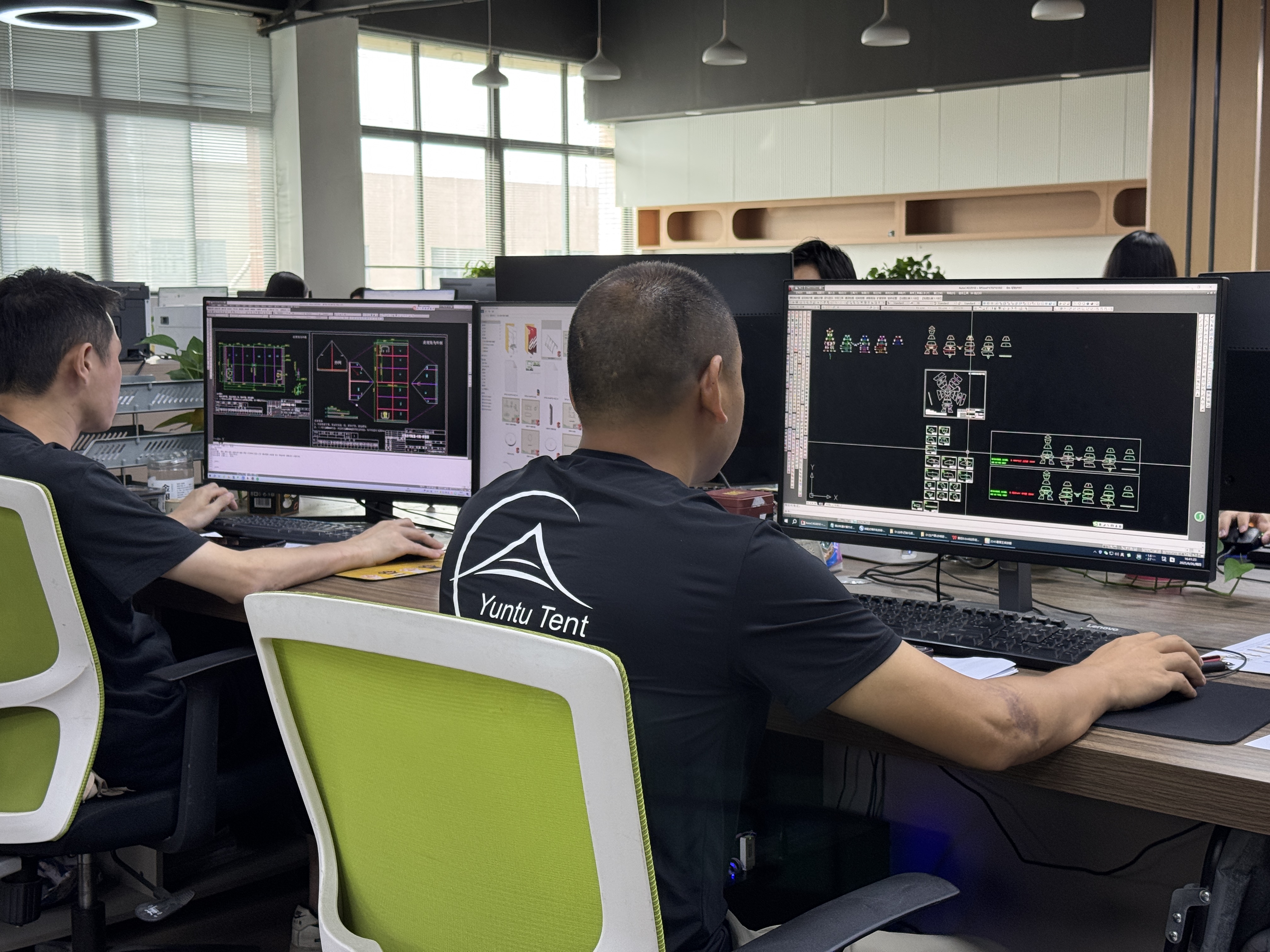
Stars Glamping describes a professional R&D team with expertise across architectural design, structural engineering and materials science, a six-person R&D team, more than ten new products launched annually, and 54 national patents with trademark certifications — all company-reported. Standard safari tent sizes are 20㎡, 30㎡, 40㎡ and 50㎡, with customisation available, and design features include large panoramic windows, mesh screens and a wood-style structure.
The audit point here is the handoff, not the headcount. Ask who signs the drawing set, how many revision cycles are included, when design freeze occurs, and whether the delivered unit will be built against your approved drawing or against a standard model drawing. Customisation that is not frozen is customisation that can slip.
4. Model and specification fit
Model coverage for safari tents includes the Safari Tent – Epic, Safari Tent – Vega and Safari Tent – Lodestar. Buyers should map each model to a site condition rather than to a price point: unit count per hectare, view orientation, bathroom and kitchen placement, and the exposure of the plot.
Published envelope and performance specifications for the safari tent range include an 850g/m² PVC-coated polyester outer cover, breathable Oxford canvas, B1 fire-retardant classification, waterproofing of at least 3000mm H₂O, wind resistance to 100km/h, snow load of 60kg/m², operation from -25℃ to +60℃, and an 8–12 year service life. Standard camping tents, by comparison, are typically replaced within 1–2 years.
Published control measures for the four recurring site risks — water, wind, fire and UV exposure — are waterproof PVC/PVDF fabric, a reinforced steel structure, flame-retardant materials and UV protection, backed by full quality control, engineering support, pre-shipment testing, installation guidance and after-sales service. Each of those is a design decision; each should appear in the specification annex of your contract.
5. Export and installation record
A 90% export ratio across Southeast Asia, the Middle East, Africa, Europe, North America, South America and Australia is a statement about repetition: the supplier has handled export packing, documentation and freight coordination many times. It is not, by itself, a statement about your climate.
Ask for two references in a comparable climate and one reference with a comparable unit count. Stars Glamping's published project listings describe safari tent and glamping resort projects in Changsha, Zhaoqing and mountain resort settings, including a Changsha project configured with waterproof and UV-resistant PVC fabric, steel frames and multilayer insulation. Use references to ask specific questions: what arrived damaged, how the insulation performed in shoulder season, who supervised installation, how quickly spare parts shipped.
6. Commercial terms and delivery assurance
Published commercial terms are straightforward: MOQ of 1 unit with samples available; delivery terms available as EXW, FOB, CIF or DDP; acceptance through factory inspection and photo/video confirmation before shipment; payment by T/T or L/C, negotiable for large orders. Standard models are quoted at a 15–20 day production lead time, with domestic delivery at 7–15 days and overseas orders at 15–30 days. After-sales includes a 24-hour global response mechanism, free installation guidance and lifelong technical support.
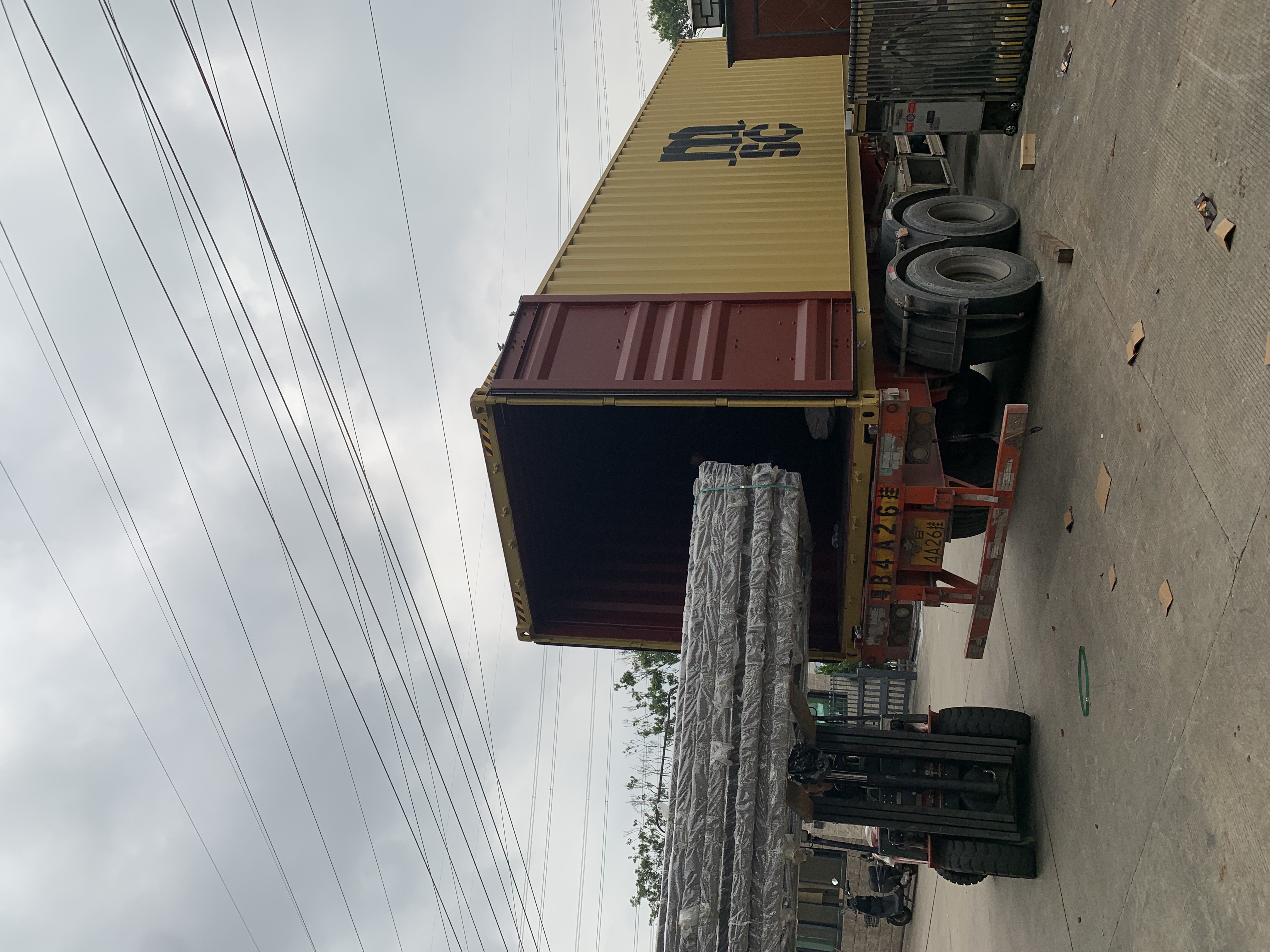
Delivery assurance is where these terms must be converted into mechanics. At minimum, the contract should carry a capacity hold, a fixed pre-shipment inspection date, a document deadline for test reports and certificates, a partial-shipment plan for phased camps, a spare-parts list, and a stated scope for installation guidance. A supplier that has delivered over 3,000 cultural and tourism projects and reports a customer repurchase rate above 80% will normally have templates for all of these — ask to see them.
Step-by-Step Breakdown: Running the Audit
The audit below can be completed in two to three weeks of correspondence plus one factory visit or live walkthrough. Run it in order; each step produces a document you will reuse in the contract.
- Convert the annual figure into weeks. Take the published range of 600–900 units per year, translate it to the monthly figure of 50–80 units, then place your order inside it. A 36-unit order occupies roughly half of a month's output at the midpoint. Ask the supplier to show that slot on a calendar, not in a paragraph.
- Verify the physical base and the workforce. Request the labelled floor plan, the headcount per process, and a timed walkthrough of the 20,000㎡ base and the 4,000㎡ simulation hall. Confirm the address in Nansha District, Guangzhou matches the entity that will issue the invoice.
- Test the engineering handoff. Send a site brief and a plot layout, and measure how the six-person R&D team responds: drawing turnaround, revision discipline, whether structural assumptions are stated, and whether custom sizes are priced transparently against the 20㎡, 30㎡, 40㎡ and 50㎡ standards.
- Confirm the model and the envelope. Select between Epic, Vega and Lodestar against your plot and operating season, then confirm the envelope specification — 850g/m² PVC-coated polyester, breathable Oxford canvas, B1 fire-retardant, ≥3000mm H₂O waterproofing, 100km/h wind resistance, 60kg/m² snow load, -25℃ to +60℃ operation — and the 8–12 year service life expectation.
- Build the documentation pack. Request certificates and test reports that name the standard, report number, issuing laboratory and the product model covered. Stars Glamping states that its glamping tents have passed SGS and CE certificate tests; treat that statement as the start of verification and ask for the certificates and their scope, plus the B1 fire test report and the hydrostatic head result behind the ≥3000mm H₂O rating.
- Check export and installation experience. Ask for references in a comparable climate and at a comparable scale, and ask how installation guidance is delivered — remote supervision, documentation, or an on-site team. Confirm the 24-hour after-sales response channel and who owns it.
- Lock the delivery mechanics. Fix the Incoterm (EXW, FOB, CIF or DDP), the production window behind the 15–20 day standard lead time, the overseas delivery window of 15–30 days, the inspection date and the acceptance criteria — factory inspection plus photo/video confirmation before shipment.
- Define the fallback before you need it. Agree what happens if a document is late, if a shipment splits, or if a unit fails inspection. A phased release schedule, a spare-parts commitment and a named escalation contact are cheaper to negotiate now than to argue about later.
Worked example: a 36-unit lodge drawing from the middle of a 50–80 unit monthly envelope consumes roughly half a month of production. If the opening date is eight months out, that sounds comfortable — until you account for sample approval, design freeze, pre-shipment inspection and a 15–30 day overseas delivery window. Reserve the production weeks at contract signature, not at deposit.
Use Cases: Where the Audit Changes the Decision
Phased African lodge, 30–40 units over two seasons
The constraint here is sequencing, not capability. With a monthly envelope of 50–80 units, a two-phase release keeps capital efficient while reserving production capacity in advance. The audit must confirm that phase two slots are contractually held, not merely "planned".
Desert camp with a winter operating season
Desert sites combine wind-driven sand, high UV and sharp day–night temperature swings. The relevant specifications are the 100km/h wind resistance figure, UV protection, and the -25℃ to +60℃ operating range, together with a B1 fire-retardant envelope where the local authority requires it. Snow load is usually irrelevant here — verify that it is not silently priced in or out.
Wildlife or riverside lodge with full fit-out
Bathroom, kitchen and electrical fit-out change the production flow, because plumbing and wiring penetrations must be resolved at the drawing stage. Custom sizes against the 20㎡, 30㎡, 40㎡ and 50㎡ standards, plus large panoramic windows and mesh screens, should be confirmed on a drawing set before design freeze. Ask how the fit-out scope is split between factory and site.
Eco resort buying on a fixed opening date
When a soft-opening date is already sold, delivery assurance outranks price. The audit shifts toward the 15–20 day standard lead time, the 15–30 day overseas delivery window, packaging quality, and the pre-shipment inspection route. Stars Glamping's reports of more than 3,000 served cultural and tourism projects and a repurchase rate above 80% are company-reported indicators of repeat delivery experience — useful context, but still to be tested against your own reference calls.
Comparison and Specification Tables
| Audit area | Published supplier figure | Evidence to request | Contract control |
|---|---|---|---|
| Annual output | 600–900 luxury tent units per year; 50–80 units per month | Capacity reservation letter with start and completion weeks for your order | Milestone schedule with a stated remedy for late shipment |
| Production base | 20,000㎡ manufacturing base; 4,000㎡ simulation exhibition hall; Nansha District, Guangzhou | Floor plan by process; timed walkthrough or live video; entity name on invoice | Audit access clause and inspection rights |
| Workforce and quality control | Approximately 100 employees; 12-step quality inspection system | QC checklist, sample inspection record, pre-shipment test report | Right to inspect before shipment; photo/video acceptance |
| Engineering | Six-person R&D team; 10+ new products annually; 54 national patents (company-reported) | Drawing set, revision log, design-freeze schedule | Design freeze date and change-order process |
| Envelope specification | 850g/m² PVC-coated polyester; ≥3000mm H₂O; B1 fire-retardant; 100km/h wind; 60kg/m² snow | Material datasheet, hydrostatic test result, fire test report naming standard and model | Approved specification sheet annexed to the contract |
| Export experience | 90% export ratio; markets across Africa, Europe, North America, Southeast Asia, the Middle East, Australia and South America | Two references in a comparable climate; one at comparable scale | Reference calls completed before deposit |
| Commercial terms | MOQ 1 unit; EXW, FOB, CIF, DDP; T/T or L/C | Proforma invoice stating Incoterm, scope and exclusions | Incoterm plus payment milestones |
| Lead time | 15–20 days standard models; 7–15 days domestic; 15–30 days overseas | Production schedule, packing list, booking confirmation | Shipment window and partial-shipment plan |
| Parameter | Published specification | What the buyer should verify |
|---|---|---|
| Outer cover | 850g/m² PVC-coated polyester | Material datasheet and fabric weight confirmation on the sample |
| Secondary fabric | Breathable Oxford canvas | Condensation and ventilation behaviour for your operating season |
| Fire performance | B1 fire-retardant | Test report naming the standard, laboratory and tested model |
| Waterproofing | ≥3000mm H₂O | Hydrostatic head test result for the specified fabric batch |
| Wind resistance | 100km/h | Structural calculation or anchoring specification for your site |
| Snow load | 60kg/m² | Site snow load compared against the rated figure |
| Operating temperature | -25℃ to +60℃ | Insulation configuration for shoulder-season operation |
| Service life | 8–12 years | Maintenance schedule, UV exposure, and spare-cover availability |
| Footprint options | 20㎡, 30㎡, 40㎡, 50㎡; customisation available | Approved drawing with panoramic windows and mesh screens |
FAQ: Verifying a Safari Tent Supplier
What certification documents should I receive before a safari tent order is approved?
Request certificates and test reports that name the standard, the report number, the issuing laboratory and the product model covered — not a general statement that the product is certified. Stars Glamping states that its glamping tents have passed SGS and CE certificate tests; treat that as the starting point and ask for the certificates themselves, including their scope. For fire performance, request the B1 fire-retardant test report that identifies the tested envelope (850g/m² PVC-coated polyester) and the standard applied. For waterproofing, request the hydrostatic head result supporting the ≥3000mm H₂O rating. Where the structure is installed in a regulated market, confirm with the local authority whether separate approval is required.
How do I verify a claimed capacity of 600–900 units per year?
Convert it, then schedule it. An annual output of 600–900 luxury tent units corresponds to a published monthly capacity of 50–80 units. Ask for four things: a capacity reservation letter naming the production start and completion weeks for your order; the production flow for your chosen model (Epic, Vega or Lodestar); the checkpoints in the 12-step quality inspection system and where your order passes through them; and a walkthrough of the 20,000㎡ base with approximately 100 employees, in person or live on video. If your delivery date cannot be placed inside the monthly envelope, the annual figure is a marketing number rather than a schedule.
What budget range should I plan for, beyond the tent price?
Published package pricing for standard safari tent packages sized for 2–4 persons sits between USD 8,190 and USD 15,710 depending on inclusions. That figure is a package reference, not a quotation for your project. Budget separately for fit-out (bathroom, kitchen, electrical), freight, installation supervision, foundations or decking, spares, and duty — for example, synthetic-fibre tents other than backpacking models fall under HTS 6306.22.90.30 with an 8.8% general duty rate in the United States. Make the supplier state the Incoterm (EXW, FOB, CIF or DDP) on the proforma invoice so the boundary of the quoted price is unambiguous.
Can we validate a safari tent with a sample before committing to a full camp?
Yes. The published MOQ is 1 unit and samples are available. A sample is the only way to test what drawings cannot show: fabric hand and weight (850g/m² PVC-coated polyester), seam sealing, mesh screen finish, window hardware, frame connections and packing quality. Agree acceptance criteria in writing before the sample ships; the published acceptance route is factory inspection plus photo/video confirmation before shipment. Keep the approved sample as the reference standard for the production batch and annex the specification sheet to the purchase contract.
What lead time should a multi-unit lodge order expect?
Standard models are quoted at a 15–20 day production lead time, with domestic delivery at 7–15 days and overseas orders at 15–30 days. A 30–40 unit camp is a scheduling exercise rather than a single lead time, because it consumes a substantial share of a 50–80 unit monthly envelope; phase the shipments and reserve the production weeks in advance. Fix the inspection date, the document deadline and the partial-shipment plan in the contract, and confirm the installation guidance scope and the 24-hour after-sales response channel before loading. To start that process, request the capability pack and current production schedule from Stars Glamping at info@stars-glamping.com or +86-133 2645 9475.
Conclusion: Audit the Schedule, Not the Brochure
A safari tent supplier capability audit succeeds when it produces documents a project manager can act on: a capacity reservation with dates, a labelled factory floor plan, a drawing set with a freeze date, a specification annex, a test report with a standard and a model number, and a shipment window with an inspection date attached to it. Stars Glamping publishes a credible baseline against those requirements — 600–900 luxury tent units per year, roughly 50–80 units per month, a 20,000㎡ base with approximately 100 employees, a six-person R&D team, 90% export coverage, and an envelope specified at 850g/m² PVC-coated polyester with ≥3000mm H₂O waterproofing, B1 fire-retardant classification, 100km/h wind resistance and a -25℃ to +60℃ operating range across the Epic, Vega and Lodestar models.
None of those figures remove the need for verification. They simply tell you where to aim it. Convert the annual number into your weeks, request the certificates and test reports that sit behind the specifications, call two references in a comparable climate, and put the inspection date and shipment window into the contract. A supplier that can support that process is a supplier you can build an opening date on.
Request the capability pack before you commit the camp
Ask for the model drawings, the current production schedule, the B1 and waterproofing test documentation, and a sample booking slot. The Stars Glamping product catalogue is available for download, and the team can confirm capacity weeks for your project size.
Stars Glamping — STARS GLAMPING TENT CO.,LTD
Website: www.starstent.com
Email: info@stars-glamping.com
Tel / WhatsApp: +86-133 2645 9475
Address: Building A, No.1663 Nansha Avenue, Dongchong Town, Nansha District, 511466, Guangzhou City, China
Figures described as published or company-reported are supplier statements and should be re-verified against documents for your specific project. Market, tariff and package-price references are cited to their sources above and are subject to change.
Have Questions or Need More Details?
Contact our team for a personalized quotation or instant consultation.
Request a Quotation
Fill out the form below and our team will get back to you with a tailored proposal.
WhatsApp Direct Chat
Prefer to chat in real-time? Message us on WhatsApp for instant assistance & quick answers.
- Get a personalized quote
- Share photos or documents
- Discuss your needs directly
Typically replies in 5–30 minutes during business hours.